

Castelsardo Culture
Castelsardo and its Culture
Dominations, and historical moments that have contributed to its creation

Castelsardo
Castellanese Culture
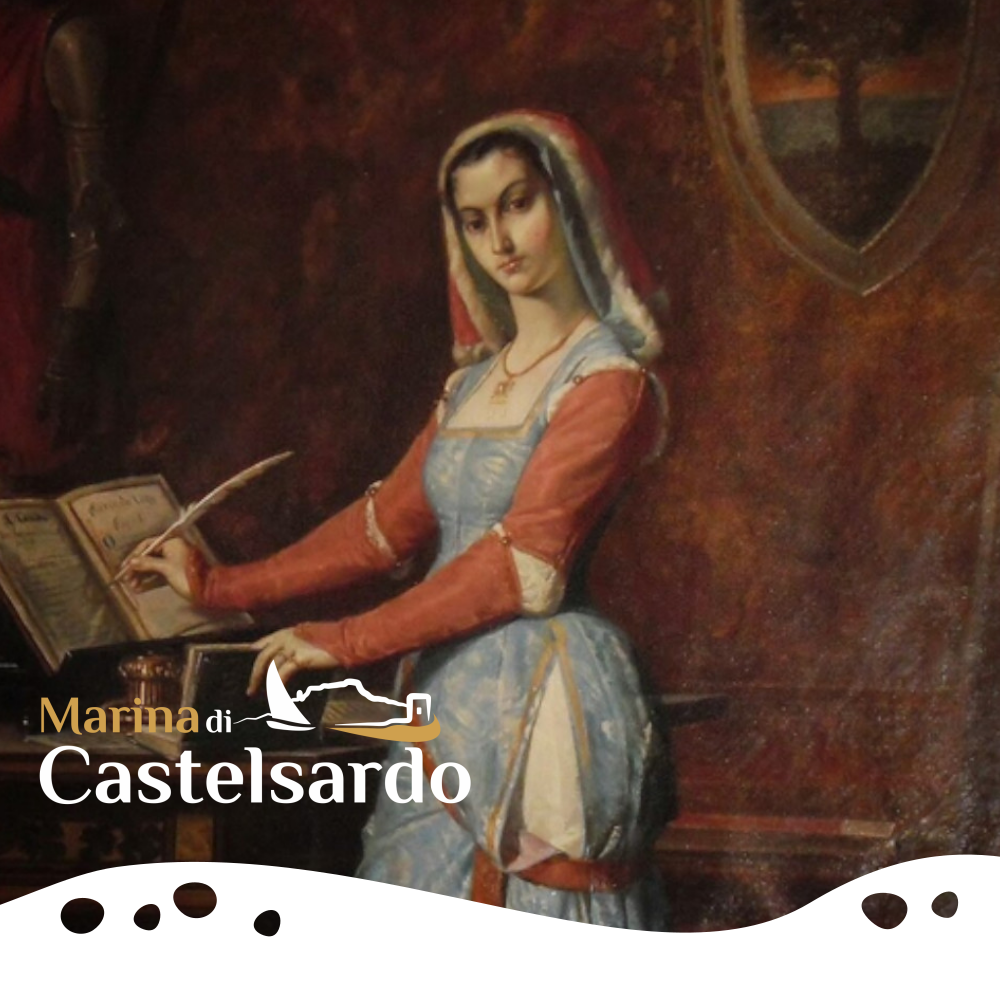
Castelsardo culture is notable in Sardinia for its striking linguistic character and traditions that reflect its history as a fortified town, as well as a Mediterranean crossroads.
The local language, known as Castellanese, belongs to the northern Sardinia area and is of Corsican origin, having clear affinities with the Gallurese dialect and southern Corsican.
This dialect, distinct from both Logudorese Sardinian and Italian, represents a profound element of identity to this day, being used both in daily life and in cultural and ritual expressions.
Castelsardo is a town and area in which cultural identity is not just historical memory, but daily practice and a conscious collective heritage.
The long Aragonese and then Spanish domination, which affected Sardinia from the 14th to the 18th century, left Castelsardo with a profound and still recognizable cultural legacy.
After the Aragonese conquest of 1448, the ancient Castel Genovese came firmly under the control of the Iberian sphere, undergoing not only political and military transformations, but also linguistic, religious and social ones.
The language and lexicon also retain significant traces of this domination. Numerous terms of Catalan and Spanish origin are present in the Castellanese dialect, especially in administrative, religious and domestic contexts, a sign of a long cultural coexistence. This linguistic stratification contributes to making the local dialect a complex and distinctive element in the Sardinian landscape.
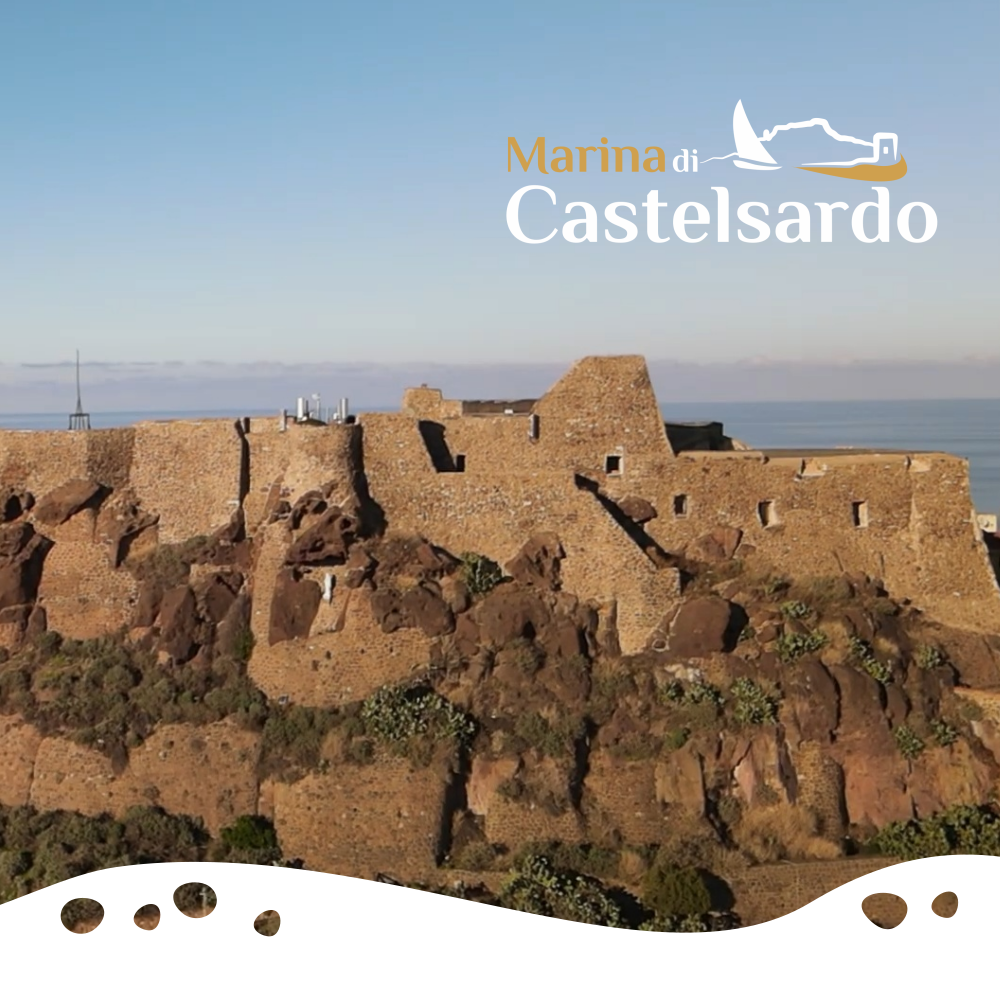
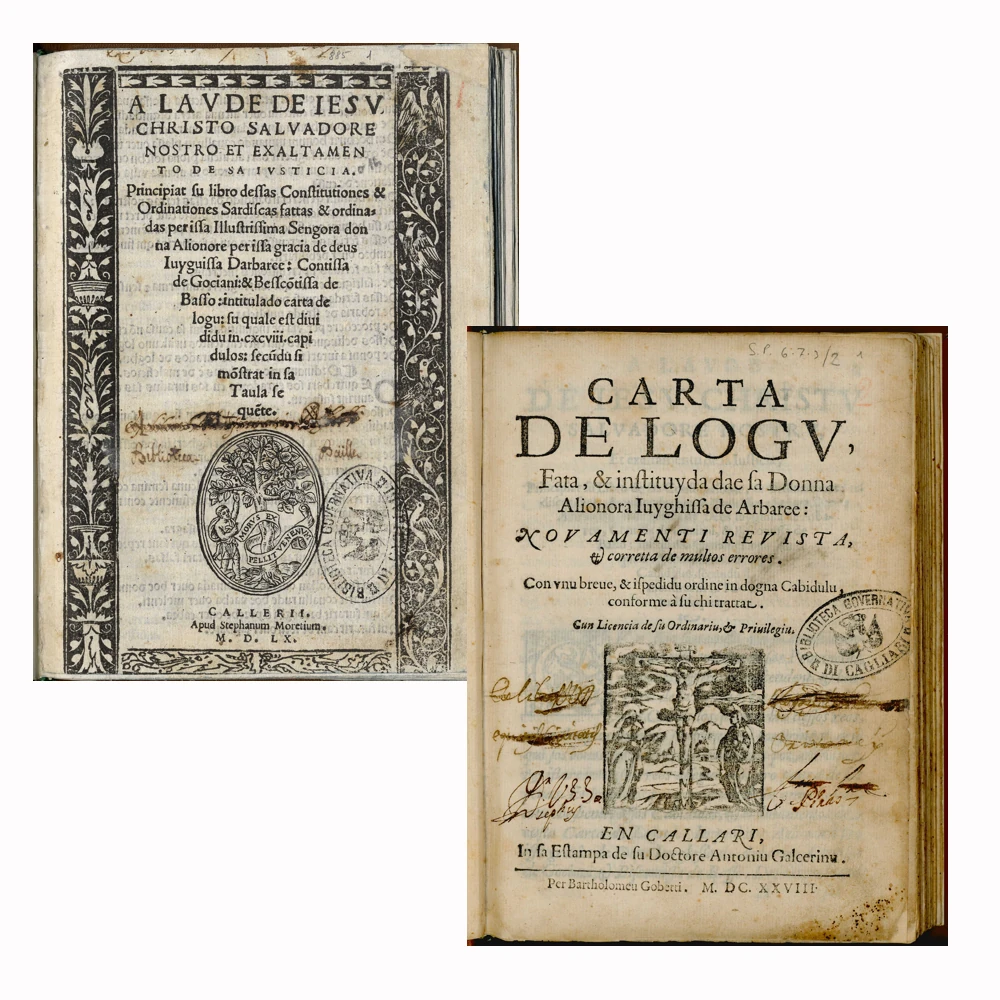
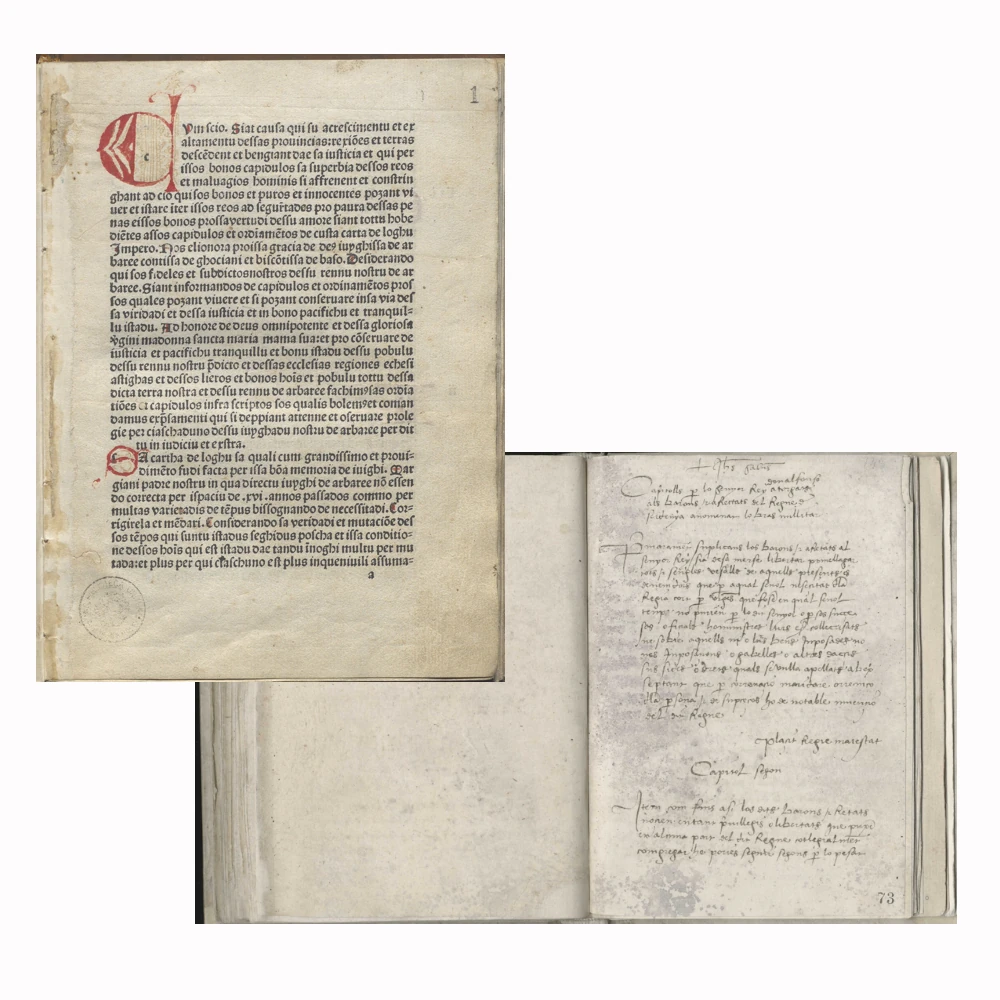
In the late 14th century, Eleanor of Arborea lived for years with her husband Brancaleone Doria in the castle of Castelgenovese, where their children were born and where part of her political and administrative action became intertwined with the problems and dynamics of the island’s power. She is well known as one of the most emblematic female figures in medieval Sardinian history, and is justly celebrated for her legislative work known as the Carta de Logu, a civil law code among the most advanced throughout medieval Europe.
(Image reference Section MDC4)
This presence is reflected in Castelsardo’s cultural memory as a normative and linguistic identity. The work of Eleanor of Arborea, written in a Sardinian language with Catalan and Iberian influences, offers evidence of the cultural stratification of the time and the ability to mediate local values and European legislative models. The Carta de Logu also influenced perceptions of law, justice and social organization throughout Sardinia for centuries, leaving a profound imprint on the historical memory and identity of local communities.
Symbols and collective memory: Today, Eleanor of Arborea is celebrated in Castelsardo in historical events, reenactments and cultural initiatives that combine history, theatre and music, promoting a sense of belonging and shared memory.
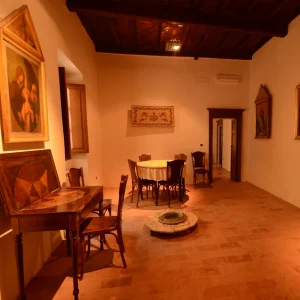
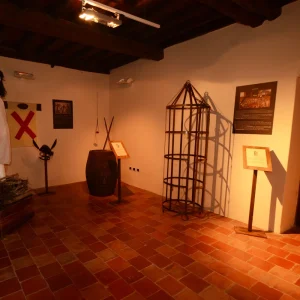
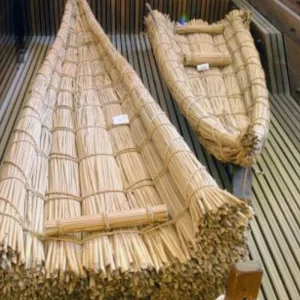
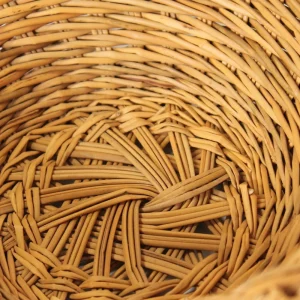
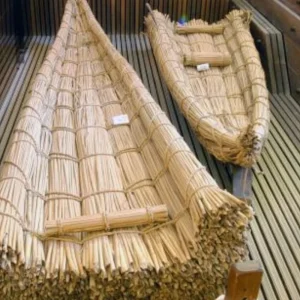
Landscape, architecture, and museum: The presence of the Doria family, their statutes, and their defensive systems shaped the urban and architectural layout of the town. Today, the Doria Castle houses museums and collections that showcase this legacy, including the famous tradition of Mediterranean basket weaving, a symbol of continuity between artisanal past and present.
(Image reference Section MDC4)
What to Visit
Castle – Museum of Mediterranean Weaving:
Website: https://www.mimcastelsardo.it/
Telephone: +39 079 6014769
The Episcopal Museum (Witchcraft and the Holy Inquisition):
Website: https://www.museumtempioampurias.it/
Telephone: +39 339 2454387
The Ampuriense Museum:
Website: https://www.museumtempioampurias.it/
Telephone: +39 328 9573581
The Cathedral of Sant’Antonio Abate:
Telefono: +39 079 471142
The Roccia dell’Elefante:
With its two “Domus De Janas”, listed as part of UNESCO’s world heritage.

TERRITORIAL VALUES