


Castelsardo – Tradition
Castelsardo and its Traditions
The memory of its History

Castelsardo
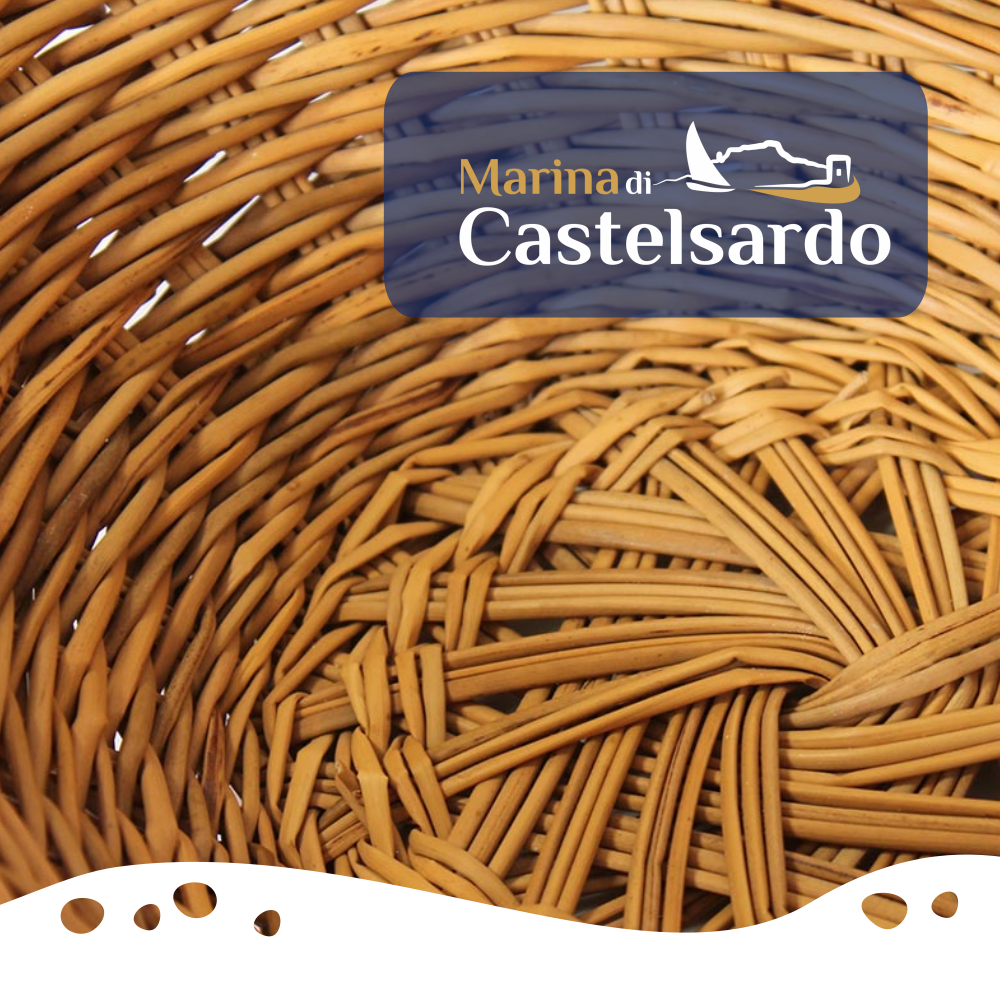
Traditions keep the memory alive
Traditional customs and traditions reflect an organised society closed tied to the community and the cycle of religious life.
The traditional women’s costume, rich in dark fabrics, shawls and embroidery, is one of the most recognizable in Sardinia and is worn during solemn festivals and religious celebrations.
Alongside this, collective participation in rites and processions demonstrates a strong sense of belonging and continuity with the past. This can even be seen in daily life, where craftsmanship reflects ancient customs: the platting of dwarf palms, traditionally practiced by women, was an integral part of the domestic and social economy. Common and symbolic objects tell the story of a culture tied to manual skills, the passing down of knowledge from one generation to another, and a balanced relationship with the environment.
One of the areas in which the Spanish influence is most evident is the religious and ritual sphere.
The rites of Holy Week, and particularly the penitential processions, show clear affinities with the traditions of Mediterranean Spain, especially those of Catalonia and Andalusia.
The organisation of the Confraternities, the use of ritual vestments, the solemn and dramatic nature of the celebrations and the central role of sacred chants all reflect models introduced and consolidated during the Spanish period, which were later adapted to the local context.
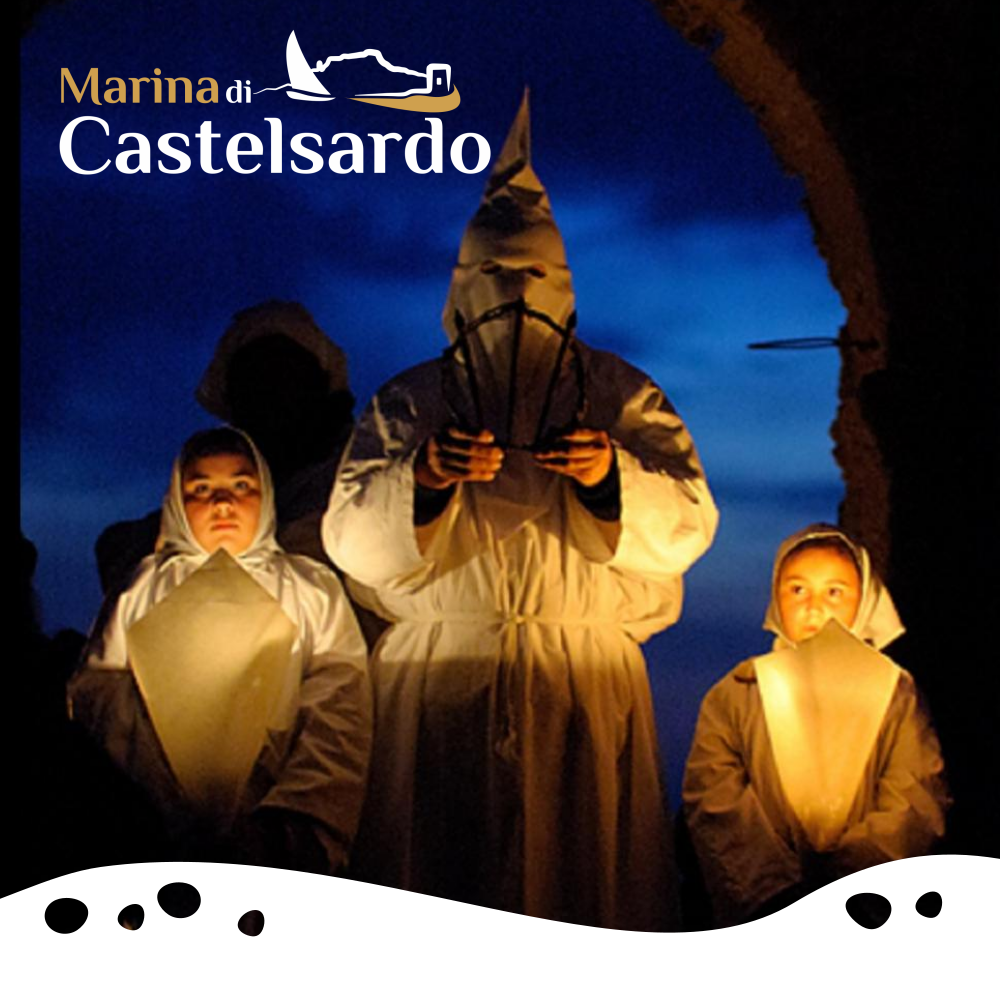
The Brotherhood of the Oratory of Santa Croce at the Church of Santa Maria delle Grazie in Castelsardo was founded in the Middle Ages, with strong Catalan-Aragonese influences (14th–15th centuries).
The rites of the Lunissanti derive precisely from the Spanish tradition of the Mysterios and the penitential brotherhoods.
The Rite of the Lunissanti
One of the most evocative rites in Sardinia takes place on Holy Monday (Lunis Santu, in Castellanese dialect).
The brothers, known as “li Babbìni” wear a white tunic with a hood which is sometimes pulled down over their faces. They also wear a cord around their waist and a cloak.
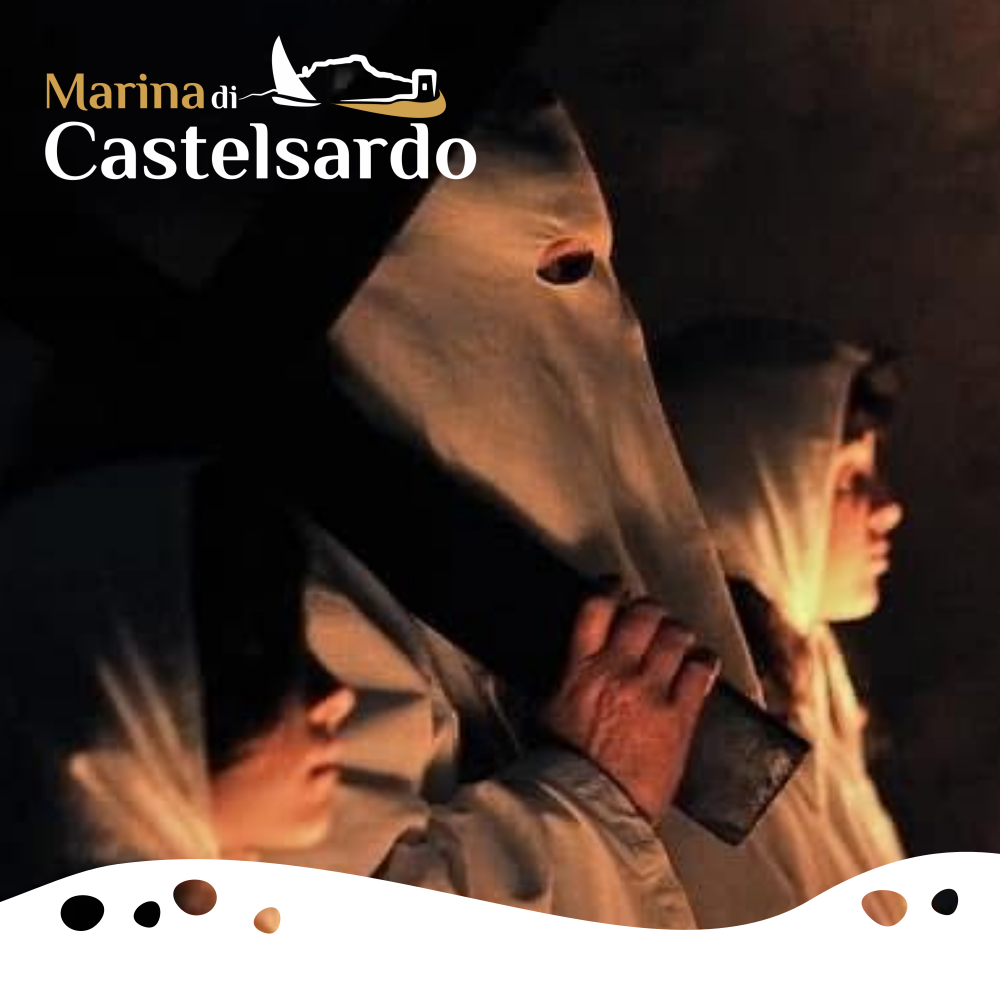
The rite is characterized by the singing of the Miserere in Gregorian chant for several voices. This is performed in Latin and it accompanies the penitential procession which passes through the streets of the historic old town centre and follows a route that symbolically recalls the journey to Calvary. Along the way, it visits several city churches, known as “le reposas” where the participants pause in prayer.
The pace is slow, solemn and deeply meditative, while the silence of the onlooking crowd is an integral part of the rite.
The Confraternity of Lunissanti is more than just a religious institution, it is a genuine guardian of Castelsardo’s collective memory.
The rite is passed down orally from generation to generation and as such, it actively involves the local community. It also attracts scholars, anthropologists and visitors every year, and is considered one of the most authentic Holy Week rites on the island.
*Resource References on Credits MdC 23.
What to Visit
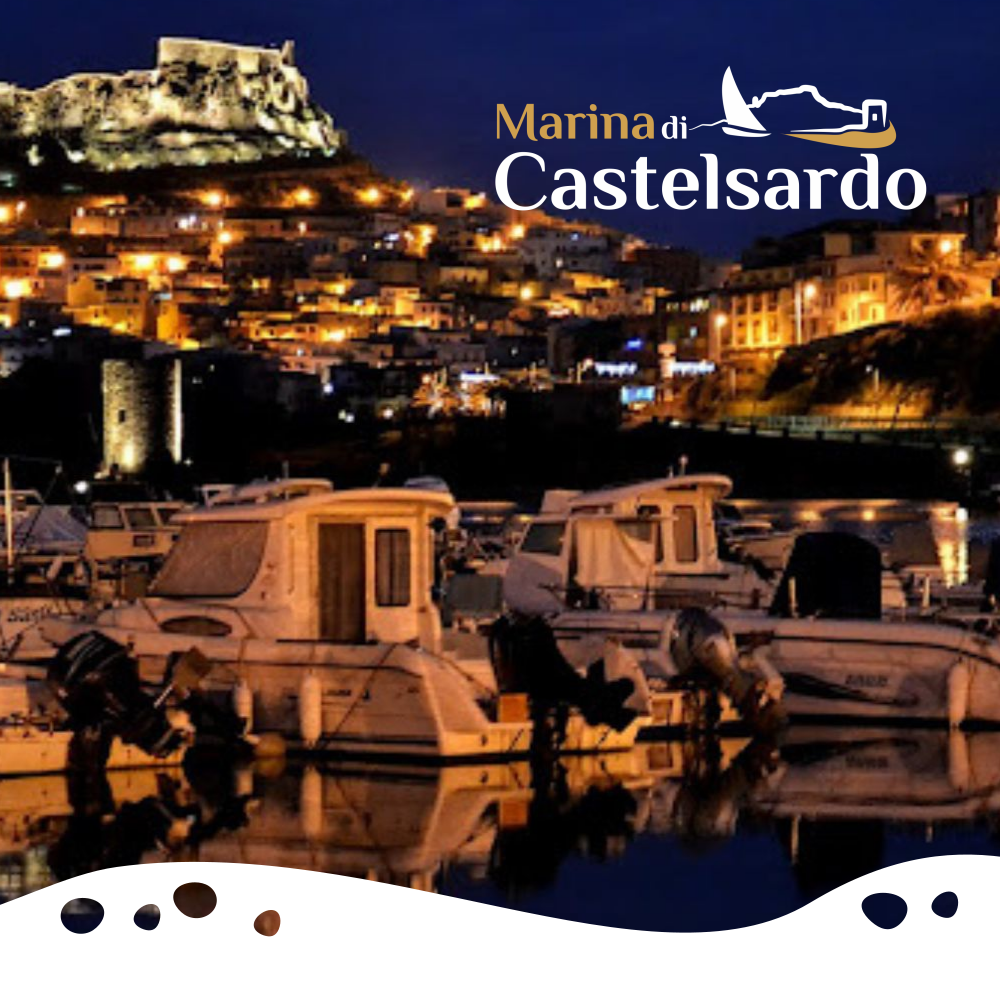
Castle – Museum of Mediterranean Weaving:
Website: https://www.mimcastelsardo.it/
Telephone: +39 079 6014769
The Episcopal Museum (Witchcraft and the Holy Inquisition):
Website: https://www.museumtempioampurias.it/
Telephone: +39 339 2454387
The Ampuriense Museum:
Website: https://www.museumtempioampurias.it/
Telephone: +39 328 9573581
The Cathedral of Sant’Antonio Abate:
Telephone: +39 079 471142
The Roccia dell’Elefante:
With its two “Domus De Janas”, listed as part of UNESCO’s world heritage.
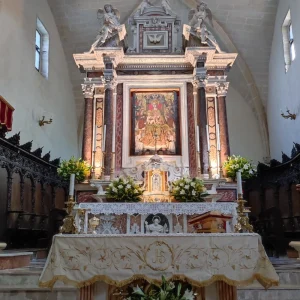
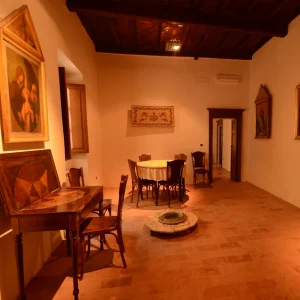
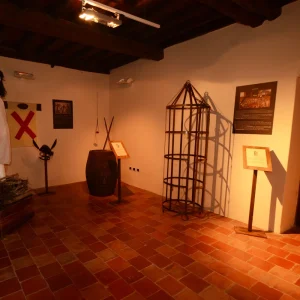
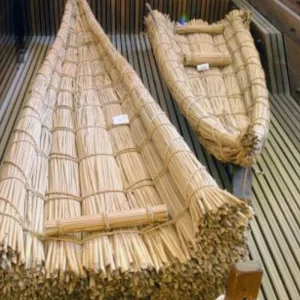

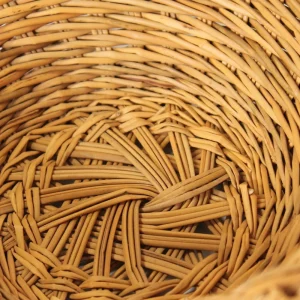
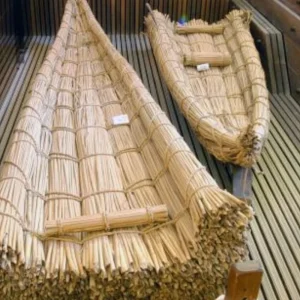
*Photo courtesy of the Weaving Museum, Episcopal Museum, and the Cathedral of Sant’Antonio Abbate.
TERRITORIAL VALUES