


Castelsardo – History
Castelsardo in History
An ancient place, rooted in time

Castelsardo
Ancient Origins
Castelsardo is more than just a town: it is a place in which every stone tells the story of human beings, faith, battles and the sea. Walking within its walls means passing through centuries of Mediterranean life, amidst ancient legends and breathtaking views.
During the Roman period, historical theories linked Castelsardo to the mythical town of Tibula and its harbour, a vital hub along trade routes. Here, natural landing places attracted sailors and merchants, while the village of Frigiano developed around the beach known as Fritum Janii, the harbour of Janus.
Even before that, pre-Nuragic and Nuragic populations had chosen this promontory on account of its strategic position, leaving valuable indications of their presence such as the Paddaju nuraghe, the megalithic walls of Monte Ossoni and the enigmatic Domus de Janas with its reliefs of bull protomes.
However, the real turning point for the settlement came in the Middle Ages, when a monastery of Antonian hermits once stood on the hill.
Modern excavations demonstrate that during the second half of the 13th century, the Doria family built the castle that would dominate and decide the fate of the area for centuries.
Around the rock and fortress, protected by mighty walls and 17 towers, the original village arose, destined to become a strategic point in the battles between the Doria family, the Giudicati of Arborea, and Aragon.
Eleonora d’Arborea lived here for years, while generations of Corsican and Ligurian families transformed the town into a crossroads of cultures.
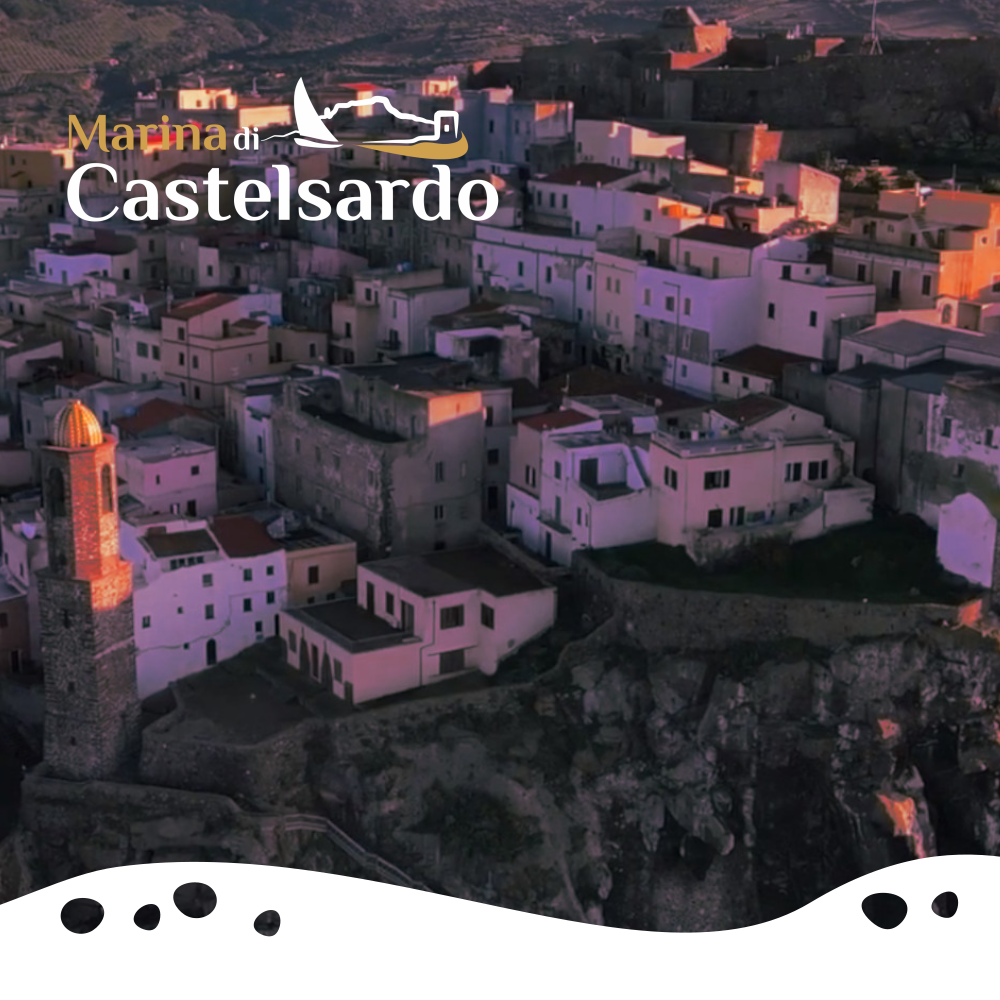
In 1448, Castelsardo was the last Sardinian town to be incorporated into the Kingdom of Aragon, becoming a Royal City. Shortly thereafter, it took the name Castellaragonés.
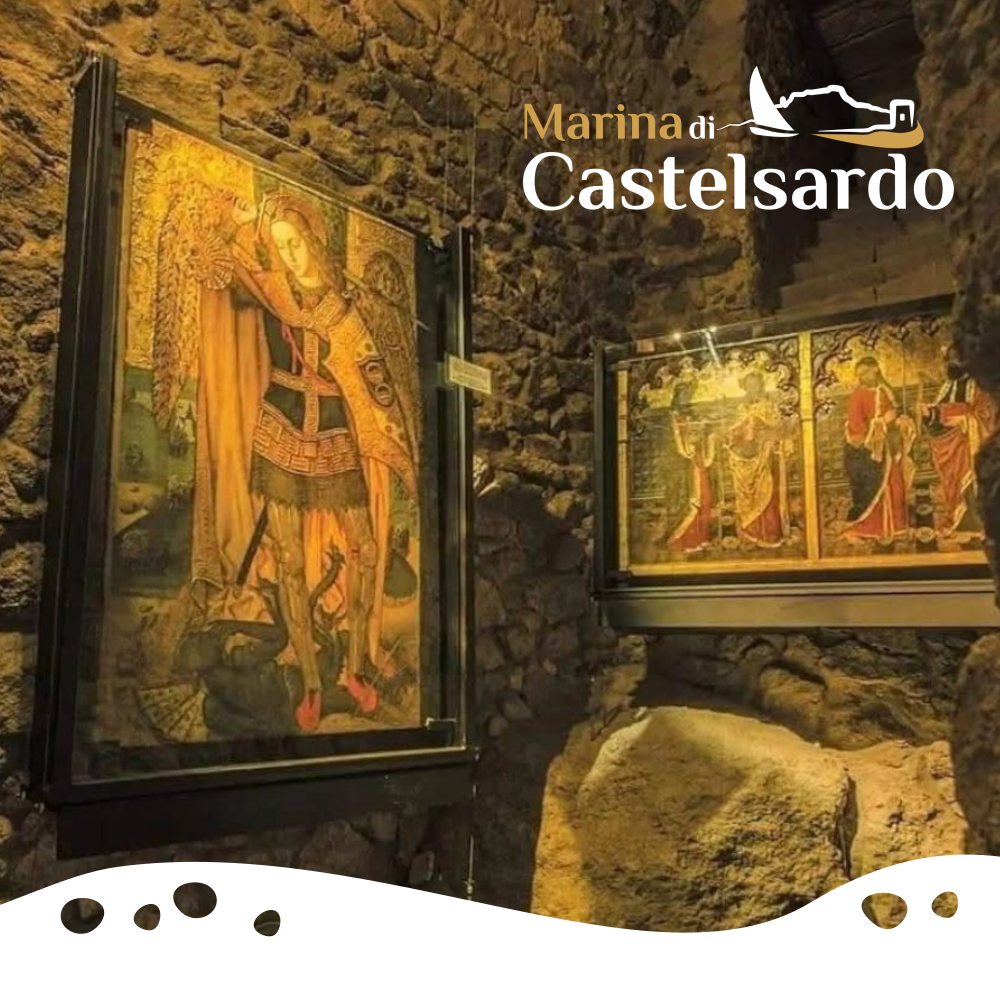
In 1586, construction began on the magnificent Cathedral of Sant’Antonio Abate, with its bell tower overlooking the sea and its crypts which today house the “Maestro di Castelsardo” Museum.
With the arrival of the House of Savoy in 1767, the town officially became Castelsardo while still retaining the 4 vertical bars of Aragon on its coat of arms as a mark of identity that no ruler could erase.
The 18th and 19th centuries were complex, marked by epidemics, economic crises and an inevitable decline in the city’s political and religious role. Yet the history of Castelsardo is also one of resilience: it was its inhabitants, who often emigrated and then returned, who gave it energy and a future. And thanks to the beauty of the sea, the strength of its traditions, and the charm of its heritage, Castelsardo has been reborn as one of the pearls of Sardinia, today included in the prestigious Club of the Borghi più Belli d’Italia (Most Beautiful Villages in Italy).
In Castelsardo, history lives not only in its monuments, but also in the rituals that mark the year.
Holy Week is a deeply moving experience: at dawn, the Lunissanti procession heads toward the Basilica of Nostra Signora di Tergu, while at night, the village is lit up with torches and echoes to the music of sacred choirs.
The Prucissioni on Holy Thursday, Lu Scravamentu on Good Friday, and the bonfires of Sant’Antonio on January 17th all transform the town into a theatre of ancient, living and authentic emotions.
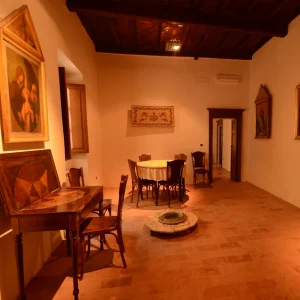
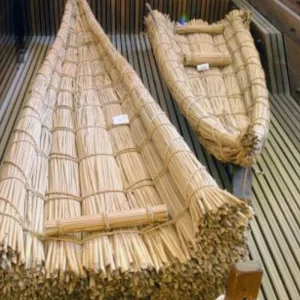
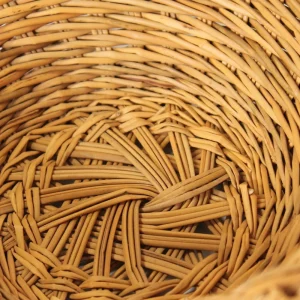
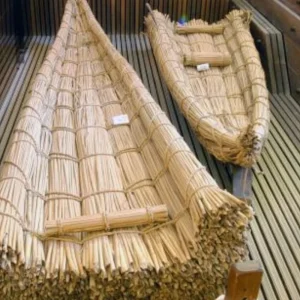
Today, Castelsardo continues to evolve: new cultural spaces, such as the library and the prized historical archive transferred next to the Doria Castle, are now part of the Museum of Mediterranean Weaving, one of the most visited in Sardinia.
Among bastions, steep alleyways, centuries-old churches and a historic old town centre overlooking the sea, the town preserves the elegance of its noble fortified origins intact.
Visiting Castelsardo means entering a story that never ceases to amaze. Every view, every alley, every scent of the sea is an invitation to discover a place in which history isn’t memory: it’s life.
What to Visit
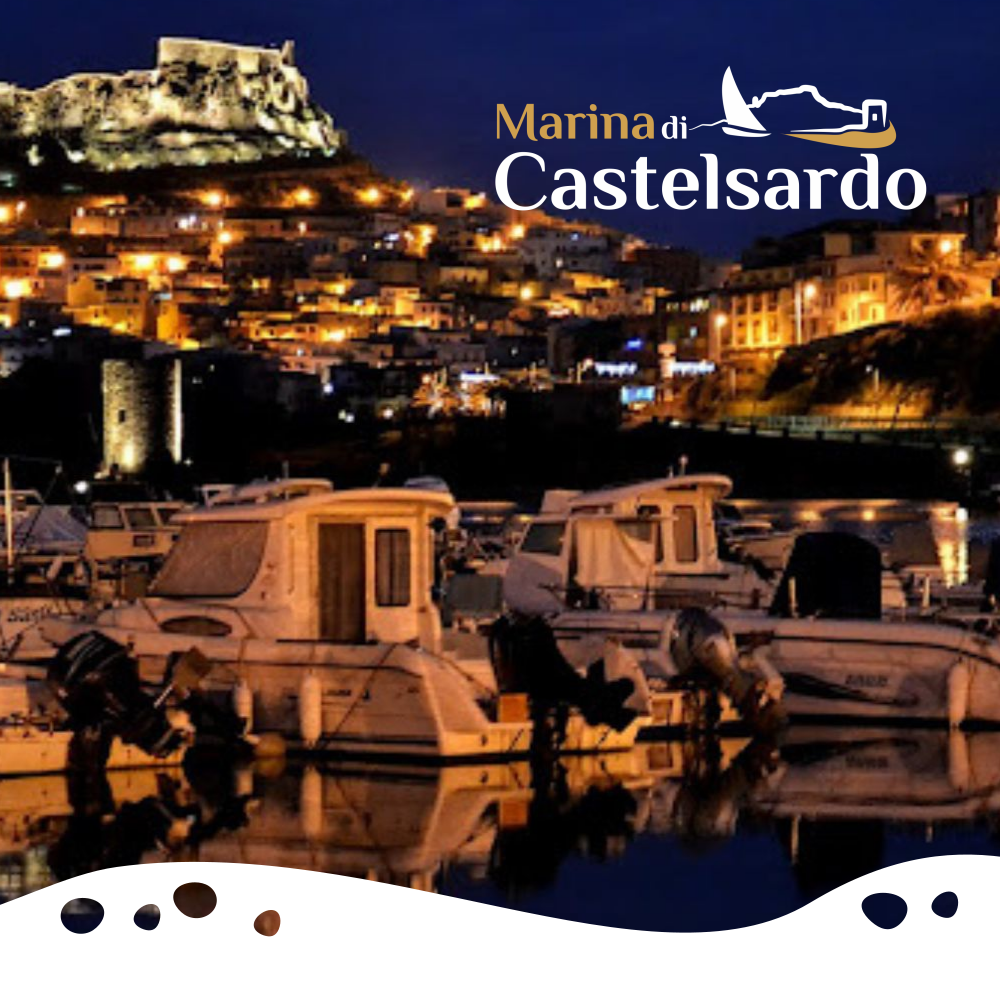
Castle – Museum of Mediterranean Weaving:
Website: https://www.mimcastelsardo.it/
Telephone: +39 079 6014769
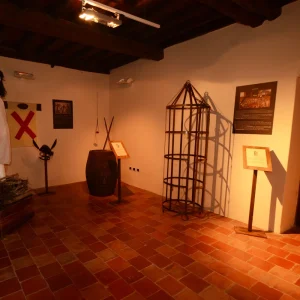
The Episcopal Museum (Witchcraft and the Holy Inquisition):
Website: https://www.museumtempioampurias.it/
Telephone: +39 339 2454387
The Ampuriense Museum:
Website: https://www.museumtempioampurias.it/
Telephone: +39 328 9573581
The Cathedral of Sant’Antonio Abate:
Telephone: +39 079 471142
The Roccia dell’Elefante:
With its two “Domus De Janas”, listed as part of UNESCO’s world heritage.

TERRITORIAL VALUES